All products are selected independently by The Looker’s editors. If you click or purchase something from our post, we may earn a small commission.
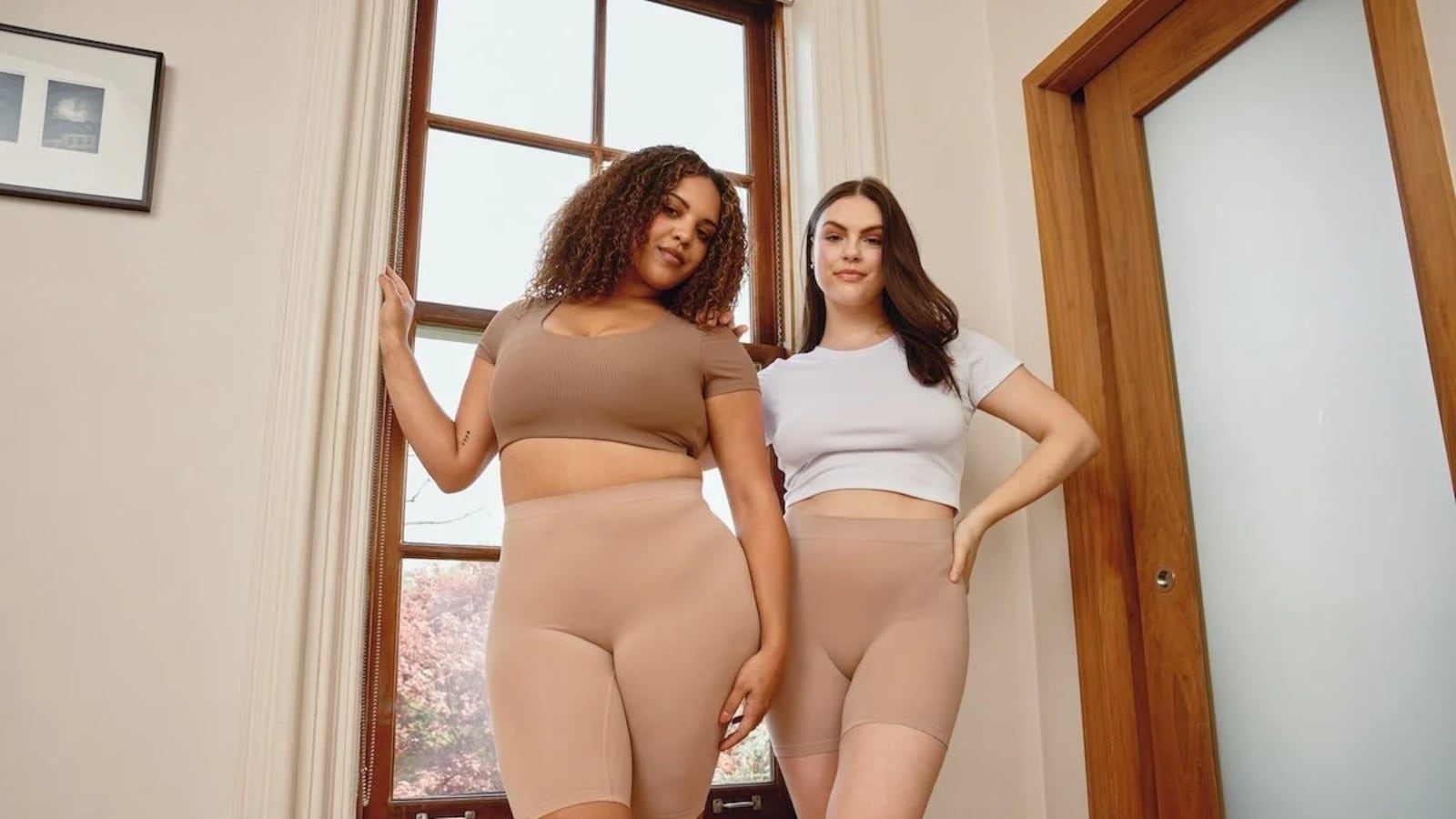
Sure, chafing is by no means merely a summer issue, but humidity and warmer temperatures undoubtedly make thigh rubbing, sweat-related rashes, and general discomfort much worse. There are plenty of creams, sticks, and balms formulated to reduce friction, but they can leave behind a sticky or greasy residue—and, of course, require reapplication to actually work when you’re sweating. Thigh Society’s slip shorts offer a decidedly lower-maintenance solution, creating a lightweight barrier between the thighs while helping keep sweat and friction in check. The brand’s top-rated anti-chafing shorts come in several different fabrics and designs, including Cooling, Cotton, and the Original, with select styles available with or without pockets. Our favorite (especially during the warmer months) is the WhispAir Cooling Anti-Chafe Shorts.
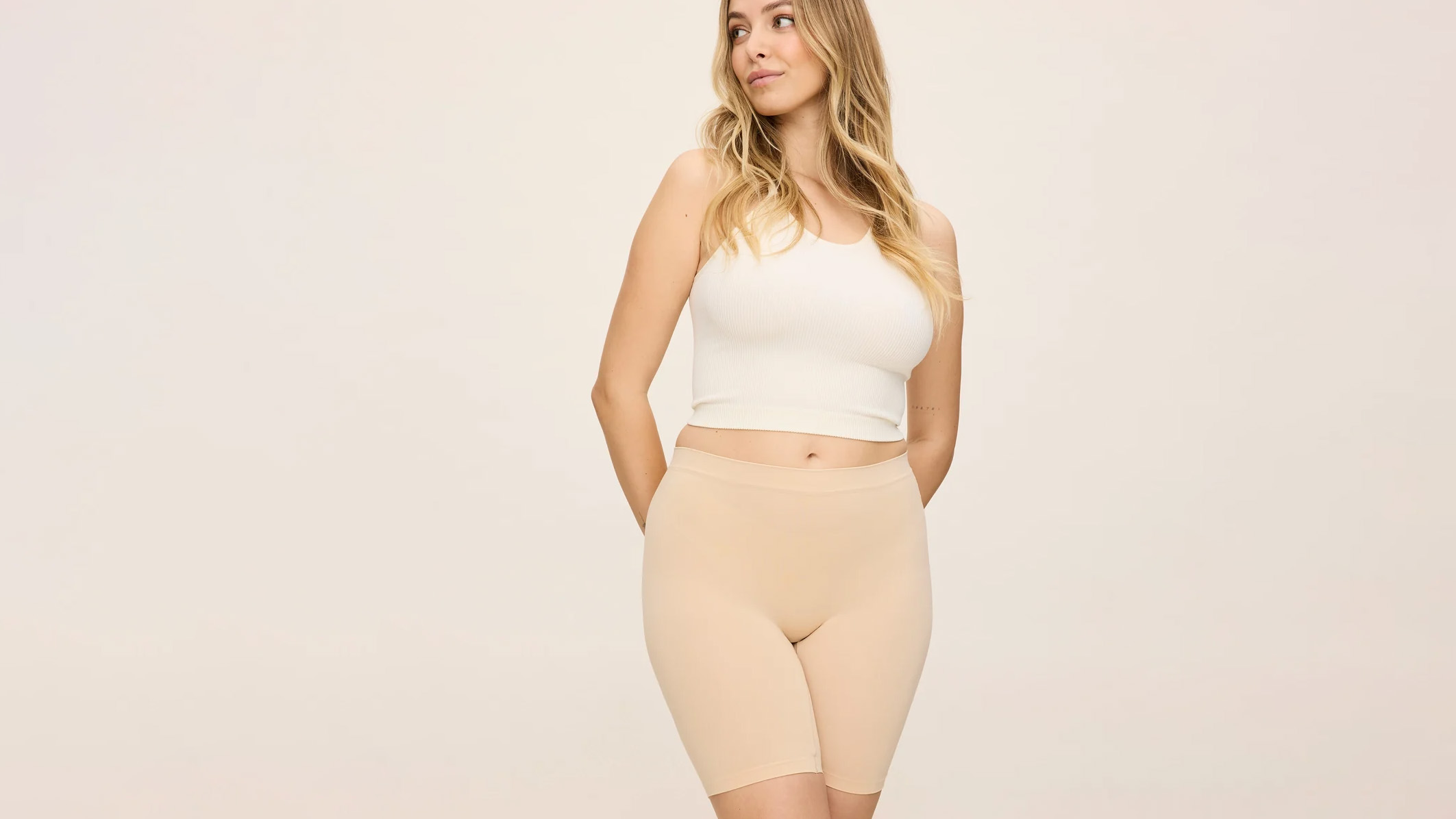
Made from an ultra-lightweight seamless fabric, the barely-there undergarments are designed to help regulate temperature and wick away moisture while the brand’s signature anti-chafe paneling prevents thighs from rubbing together. Despite their featherlight feel, these slip shorts are also designed to stay put without constantly rolling, bunching, or riding up as you walk. They also feature a breathable cotton crotch, so you can even skip underwear if you please.
While they may look a bit like shapewear at first glance, these shorts aren’t designed to suck you in, sculpt your waist, or compress your thighs. Instead, each style is all about coverage and comfort, with zero compression. This means no digging waistbands, restrictive squeezing, or dreaded sausage-casing effect. The smooth, seamless construction also makes them easy to layer discreetly underneath dresses and skirts, including slinky and body-hugging silhouettes where traditional bike shorts or shapewear might create visible lines or unwanted bulk. And unlike an anti-chafing balm that eventually wears off, the protective barrier stays in place for as long as you’re wearing them. Whether you’re commuting, sightseeing, dancing at an outdoor wedding, or simply trying to survive a humid afternoon without your inner thighs declaring war on each other.
Thigh Society also offers an impressively expansive range of options, with 19 colors, six inseam lengths, and inclusive sizing from XS through 6XL. For anyone who loves dresses but could do without the thigh rub, sweat, and sticky anti-chafing products that often come with them, they’re a game-changer for any season.