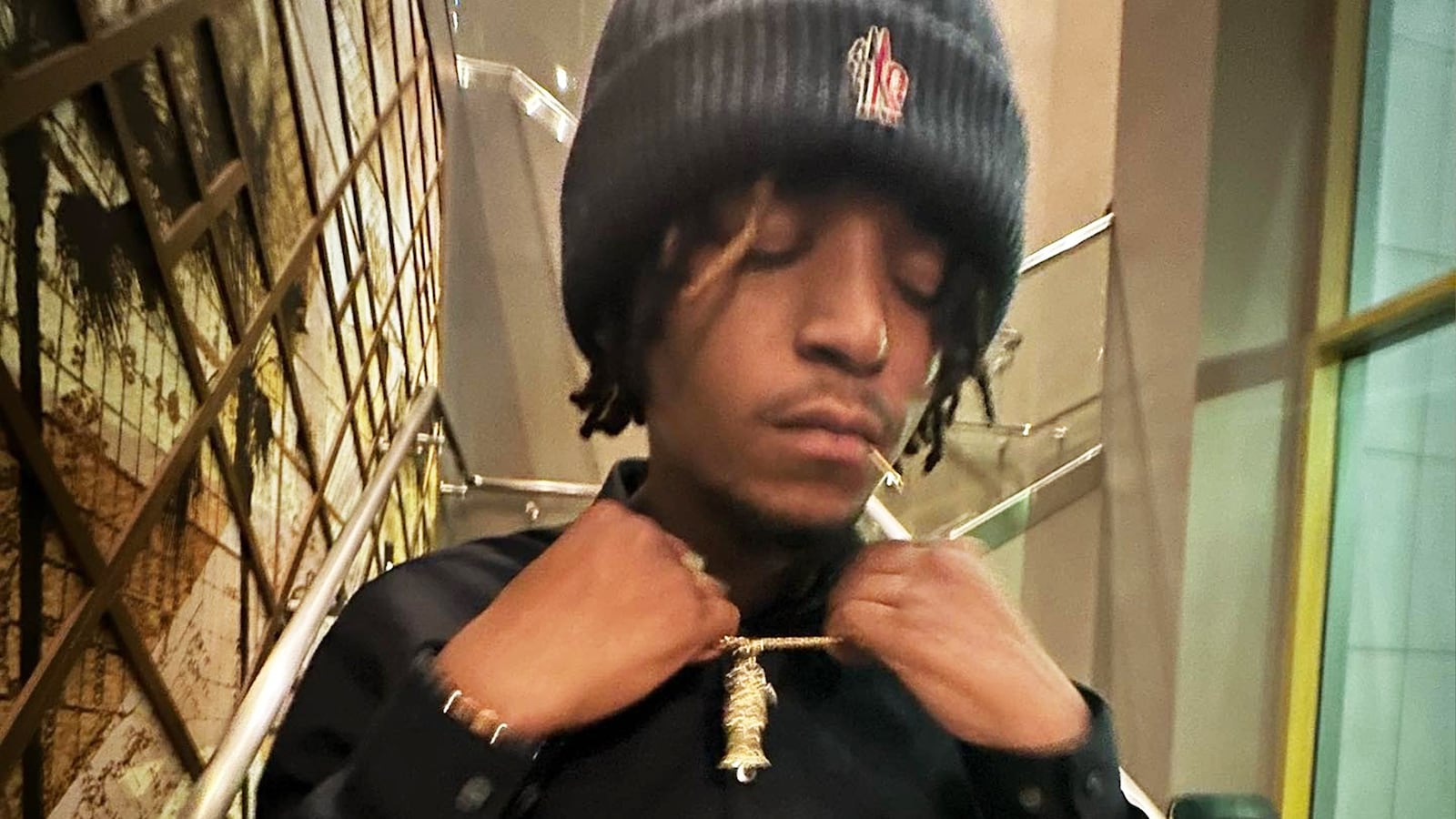
Rapper Luci4, born as James Dear, died of an undetermined cause on Sunday, Feb. 22. He was 23 years old. The Los Angeles Fire Department was called to the home of a friend of Luci4’s about a medical concern at 11:40 a.m on Sunday. As the rapper was already deceased when they arrived, the LAFD alerted the police. The musician’s grandparents, who confirmed his death to TMZ, said they are suspicious about the circumstances surrounding his death, including their claim that his wallet had been emptied. They had previously expressed concern to their grandson about the people he was surrounding himself with after he first began finding success with his music. Authorities told TMZ they are still in the process of investigating Luci4’s passing and have not yet identified a cause of death. Luci4, who was signed to Atlantic Records, was best known for his 2024 hit “BodyPartz,” which helped cement the microgenre of trap music known as sigilkore. The song was certified gold by the Recording Industry Association of America. Luci4’s manager, Kayla G, honored the late rapper, saying, “He was truly a leader. A king. And a musician. And a genius.”