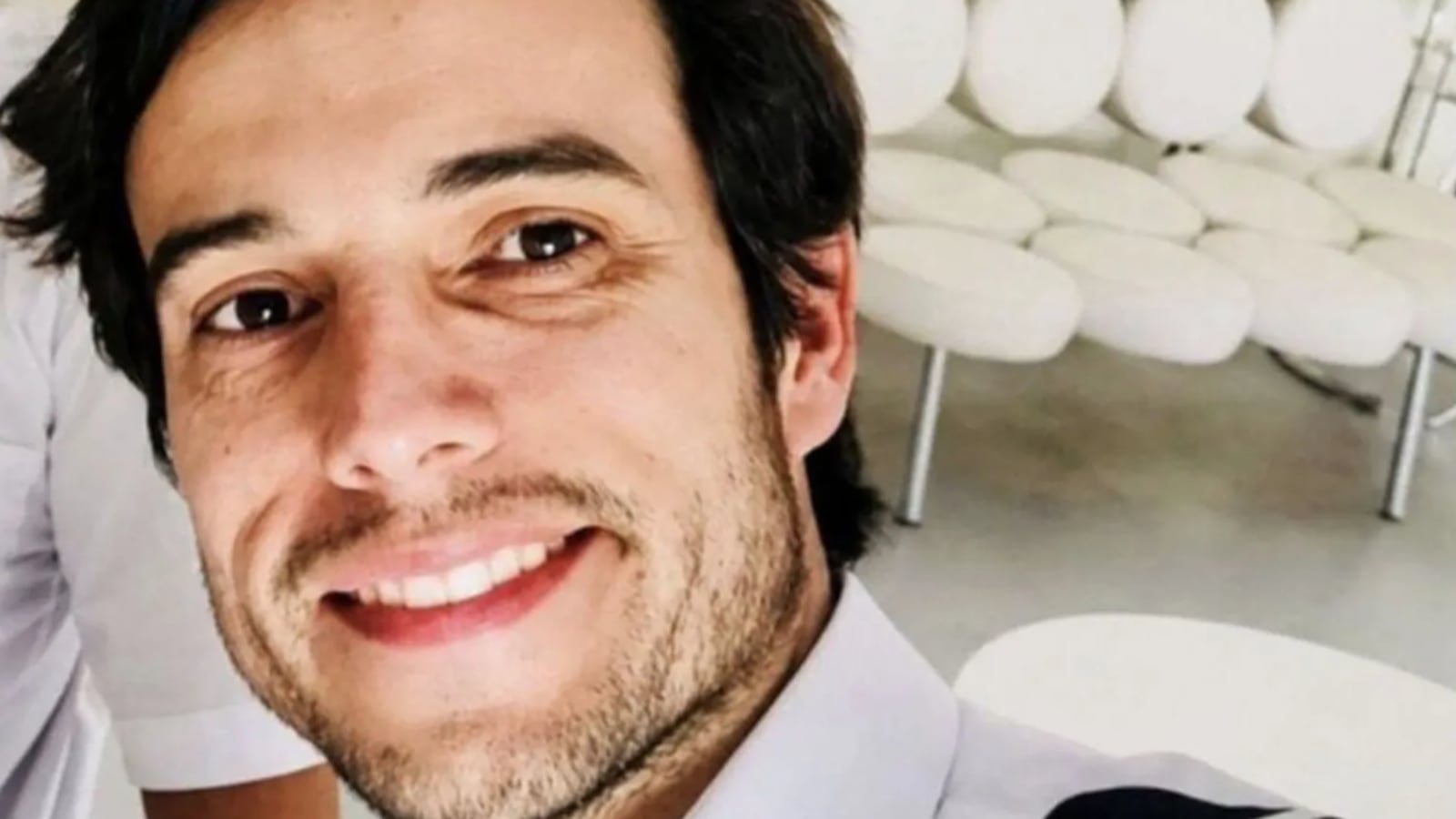
A trainee pilot was forced to take control of a plane and land alone after her instructor opened the cockpit door and jumped to his death during a flight in Argentina. The 22-year-old student, who has a pilot’s license but only limited hours of flight time, was flying with instructor Leandro Bertazzo, 42, when he reportedly removed his headset, gathered his belongings, unfastened his seatbelt, and exited the two-seat Cessna C-150 while it was airborne over Toledo. Bertazzo’s body was later found in a nearby field, around 20 minutes after the alarm was raised. The student immediately alerted authorities and then safely guided the aircraft back to the airfield. “She was very shaken, but with complete professionalism, she flew the plane to the airfield and made a perfect landing,” said Eduardo Alvarez, director of the flight school where Bertazzo worked. Alvarez described the instructor as “always smiling” and said an investigation into the unexplained incident remains ongoing.
If you or a loved one are struggling with suicidal thoughts, please reach out to the National Suicide Prevention Lifeline by dialing or texting 988.