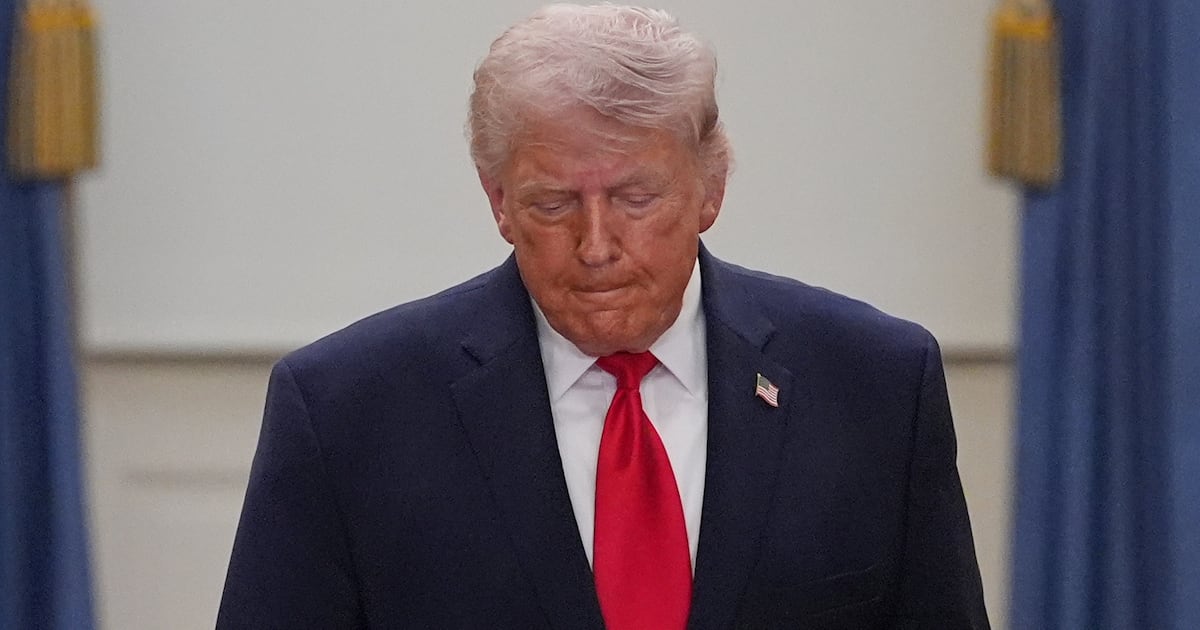
In Charles Dickens’ A Christmas Carol, the Ghost of Christmas Past doesn’t punish or terrify. Instead, it reminds. The haunting is less mystical than moral, illustrating how history lingers when its lessons go unlearned.
The tale remains especially relevant in the White House today, and not just because of the holiday season. Besides, Melania hates Christmas.
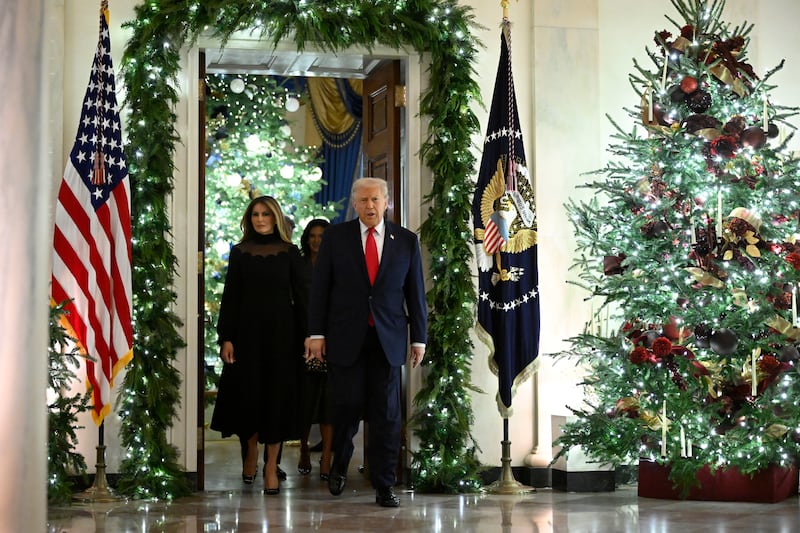
Every presidential administration wrestles with its own ghosts. President Trump and his Cabinet of Scrooges are shadowed by two figures whose failures stemmed not from circumstance but character: Herbert Hoover and J. Edgar Hoover. Though their paths barely crossed, their legacies of economic neglect and systemic coercion are ever-present.

Herbert Hoover embodied the moral failure of inaction. When the Great Depression devastated the nation, he refused to treat widespread suffering as a call for federal intervention. The catastrophic results included soaring unemployment, hunger, disease, and death. Americans experienced what it means when their government refused responsibility for pain.
Trump’s governing style reflects this refusal to face reality, with consequences stemming from deadlines passed and protections lapsed, with the indifferent refrain that “things won’t be that bad.” He dismisses warnings from job reports to inflation data as mere messaging problems and the reliable fallback of fake news. Economic hardship is challenged as a Democratic hoax, even as ordinary Americans struggle. Gas prices are down even when they are up.

As Affordable Care Act tax credits expire and healthcare costs are poised to soar in 2026, millions face predictable, preventable harm. In 2026, tariffs and inflation will surely ripple through the economy, while the wealthiest reap the benefits of the “Big Beautiful Bill.” Hiring has slowed sharply with no recovery in sight. A perfect storm of economic calamity is building, yet there is no urgency to intervene.
And if Herbert Hoover’s ghost haunts failed economic policy, then J. Edgar Hoover’s spirit stalks Trump’s craven FBI. For nearly 50 years, Hoover ruled with a culture of secrecy and spycraft, aimed both outward at the bureau’s targets and inward among its ranks. Fear was Hoover’s calling card, granting him unrivaled access to the Oval Office under eight presidents. He collected tens of thousands of files on enemies, both real and imagined. He surveilled civil rights leaders and elected officials alike, and demanded loyalty that far surpassed professionalism.

Though he is by no means operating at anything close to Hoover’s malevolent level, current FBI Director Kash Patel also brands dissent within the bureau as betrayal, and weaponizes fear as a governing protocol. Purges and politicization weaken the FBI’s credibility and effectiveness; that decay, paired with economic neglect, sets the stage for catastrophic failure. If the bureau is prohibited from doing its job, it’s a five-alarm national security emergency—with the consequences landing directly on the American public.
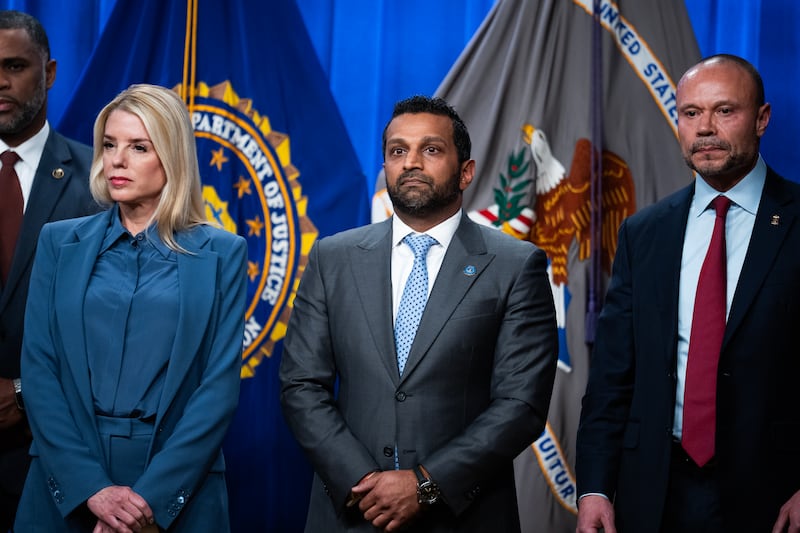
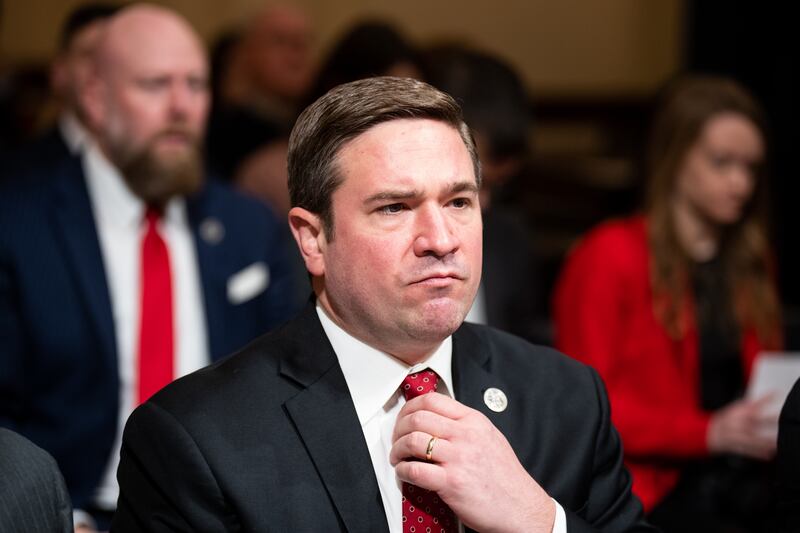
Rumors are swirling that Patel could be leaving the FBI in the new year—and not just on a private plane to watch his girlfriend perform. (His deputy, the former Fox blowhard Dan Bongino, has already confirmed his exit.) While some may be tempted to celebrate, it’s too early to uncork the champagne—former Missouri attorney general Andrew Bailey, whose name is already being floated as his replacement, would likely do an even worse job of rebuilding Hoover’s regime.

Bailey’s record raises grave concerns, marked by an overtly partisan approach that emphasized culture-war litigation, aggressive defenses of Trump, and repeated clashes with local and federal officials, fueling doubts about his ability to lead an institution that depends on political independence. If Trump is seeking a loyalist to continue a campaign of retribution, Bailey would fit the role neatly.
Herbert Hoover and J. Edgar Hoover represent two symbiotic failures of governance. One abandoned people in need; the other hollowed out a vital institution. Together, they form a blueprint for Trump’s autocracy that neither acts decisively nor functions independently.

History is unforgiving. During the Great Depression, Americans named makeshift shantytowns “Hoovervilles,” after the president whose inaction festered their plight.
If the Trump administration and Patel’s FBI continue on their current paths, America risks a new kind of Hooverville. It’s not a physical shantytown but a broken landscape of neglected policies and eroded institutions that will make democracy the next ghost of Christmas past.