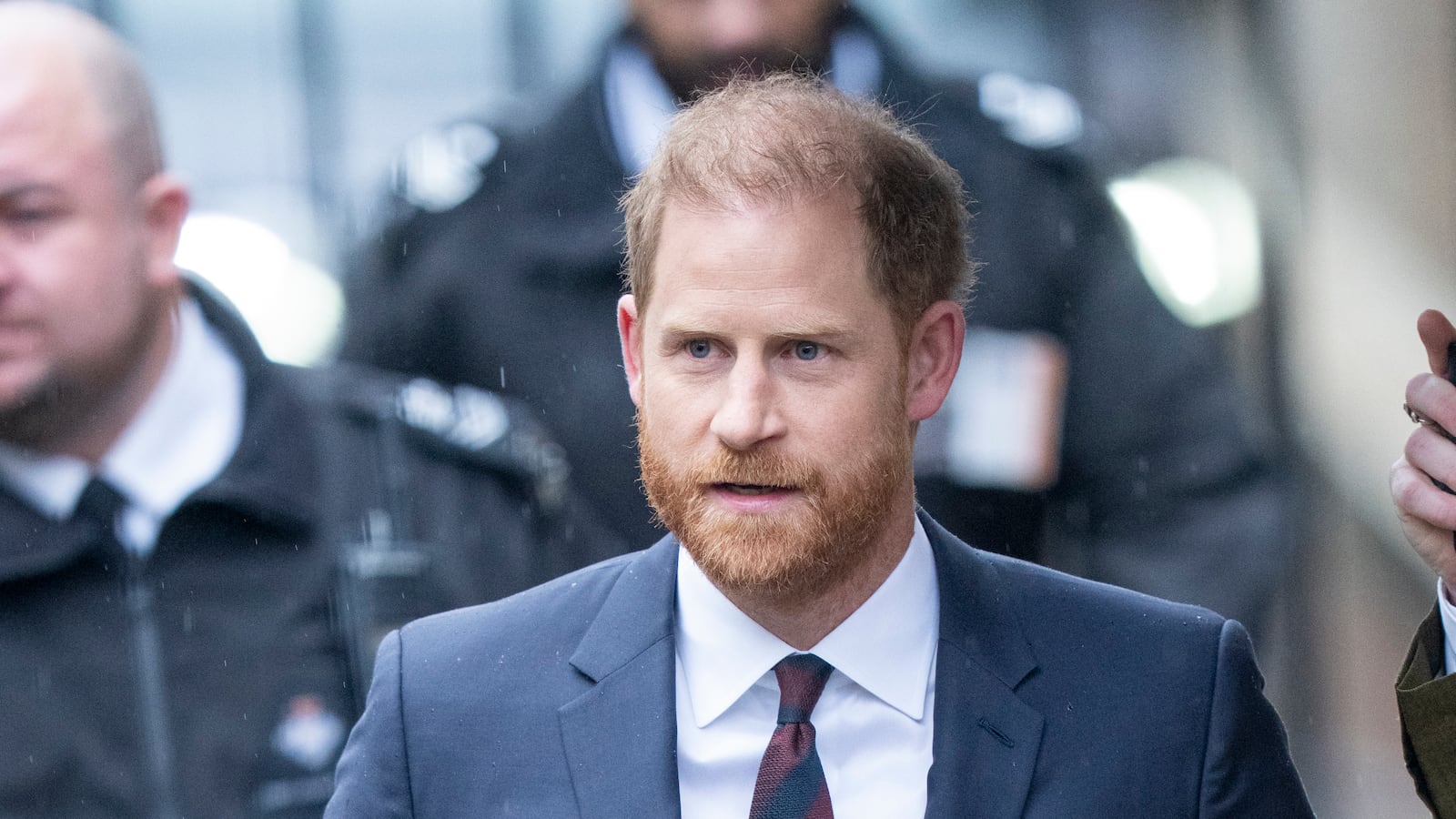
Follow Tom Sykes’ royal reporting at The Royalist on Substack, and get exclusive insight on everything going down behind the palace gates.
On Wednesday evening, a man in a ski mask leapt out of his car near the Sandringham Estate and, screaming abuse, sprinted towards Prince Andrew while he was walking his dogs. A crowbar was later found in his car.
He got within fifty yards of the former royal and his private, unarmed bodyguard, both of whom scrambled into their vehicle and sped away as the man chased after them.
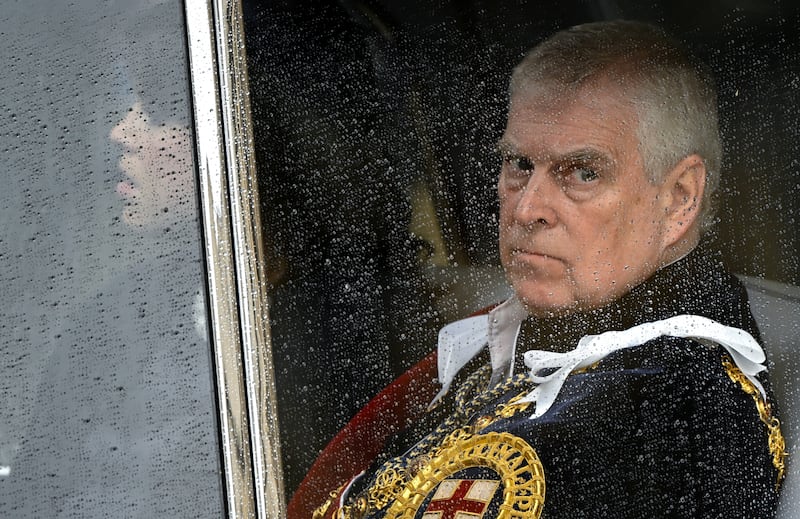
Norfolk Police told the Royalist last night that they had arrested the man on suspicion of a public order offense and possession of a weapon. Alex Jenkinson, 39, was due in court earlier today.
A man with a weapon, in a balaclava, charging a member of the royal family while he walked his dogs on public land near his home is arguably the most serious security breach in modern royal history. People will point to Michael Fagan, who scaled the walls of Buckingham Palace and broke into Queen Elizabeth II’s bedroom in 1982. But Fagan was unarmed. He didn’t intend to harm the Queen. He sat on her bed and asked for a cigarette.

This man was seemingly intent on doing serious physical harm to a member of the royal family.
The fact that people may despise the royal whose security was breached is entirely irrelevant.
Prince Harry has been made aware of the attack on Andrew, the Royalist has been told, and while he has not yet shared his reaction with these sources, they said it’s reasonable to assume he will be seriously concerned, and will now double down on his position that he simply cannot bring his wife Meghan and their children back to the United Kingdom. without a comprehensive security package in place.
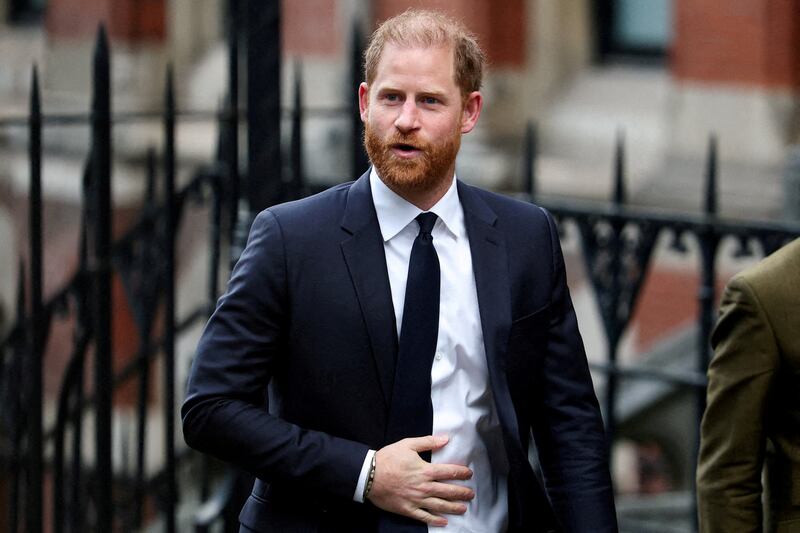
Whatever you think of Harry, or the sometimes foolish ways in which he has made the security situation worse for himself, the attempted attack on Andrew shows that a way must be found to make him secure when he visits the U.K.
A decision urgently needs to be made.
The difficulty for the royal family and the British government is that they do not want to make it easy for Harry to come back.
That’s the whole principle of royal exile—the playbook as developed in the case of Edward VIII. Edward was also arguably more respectful of the Crown’s wishes, not least because he depended on an allowance from the Crown, which gave the Palace leverage.
They don’t have that leverage over Harry. The only lever they have is security.

As things stand, Harry is supposed to receive a bespoke security package whenever he visits the U.K. He is required to give 30 days’ notice, and RAVEC—the Royal and VIP Executive Committee—then makes a case-by-case decision about what protection he receives.
The trouble is that his side argues this process has not been conducted in good faith. They say the security provisions have been derisory. On multiple occasions, they claim, the so-called bespoke package had amounted to a phone number for a police liaison officer.
And then, of course, there have been the incidents. In September last year, a known stalker—a woman I encountered myself at the Royal Courts of Justice during Harry’s trial against Associated Newspapers—managed to get within feet of him on two separate occasions during a London visit. She breached a secure zone at the Royal Lancaster Hotel during the WellChild Awards, and two days later turned up at the Centre for Blast Injury Studies. There was no police presence at the time, so it was left to a member of Harry’s private office staff to body-block her.
His side points to the fact that other members of the royal family—minor royals who attract a fraction of the public interest and threat profile that Harry does—continue to receive armed police protection.
And Harry was pretty clear about how he feels about all this in an emotional interview he gave to the BBC last May, after losing his court case seeking security: He suggested certain people in the establishment would be quite happy to see him die.
Harry is also incredibly frustrated by the fact that he has absolutely no insight into what is happening with the RAVEC review of his security. He and his team do not even know whether a decision will come before he is due to return to the United Kingdom for an Invictus Games event in Birmingham this summer.

What they are very clear about, however, is this: unless the security situation changes—specifically when it comes to preventing what they describe as known and documented threats against his wife and his children—there is no chance that Meghan, Archie, and Lilibet will come to Britain, unless it is in the context of a private invite from the King to Balmoral or Sandringham.
(You could argue that this suits the royal family perfectly well. Why would they want Meghan and the children swanning around, selling products, diverting attention, undermining the work of the working royal family?)
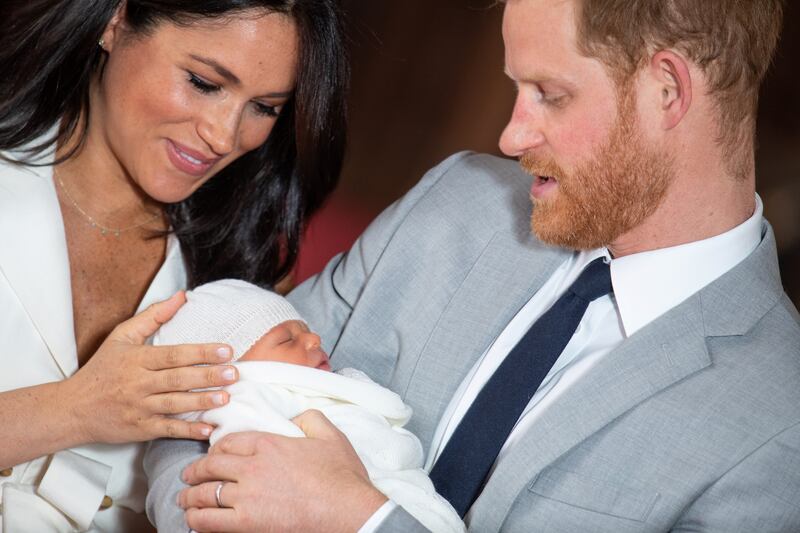
Harry’s presence at the Invictus Games event will be as the founder and figurehead of an event that celebrates and honors soldiers—many of whom served in Afghanistan and Iraq. He has served two tours in Afghanistan, wrote in his memoir that he killed twenty-five Taliban fighters, and is someone whose assassination was explicitly called for in a published al-Qaeda fatwa—a threat so credible it was read into the court record during his RAVEC appeal. The Taliban themselves responded furiously and publicly to his kill count, with senior figures accusing him of war crimes.

If something were to happen, it would be catastrophic, not just for Harry, but for the United Kingdom, the monarchy and the country’s reputation in the world.
I understand why the establishment is so concerned about Harry getting full security privileges restored. It effectively means he can pitch up at Heathrow whenever he likes, dial a number, and trigger a statutory obligation for police escorts and armed bodyguards for him, for Meghan, for the children. I understand why the Palace does not want that. I understand the nightmare scenario: Harry turns up on the day of Trooping the Color and stages a competing royal event down the road. I get it. I am not naive about the political dimension.
But the time has come to untangle status from safety. Security as a marker of royal rank needs to be separated from security as protection from danger.
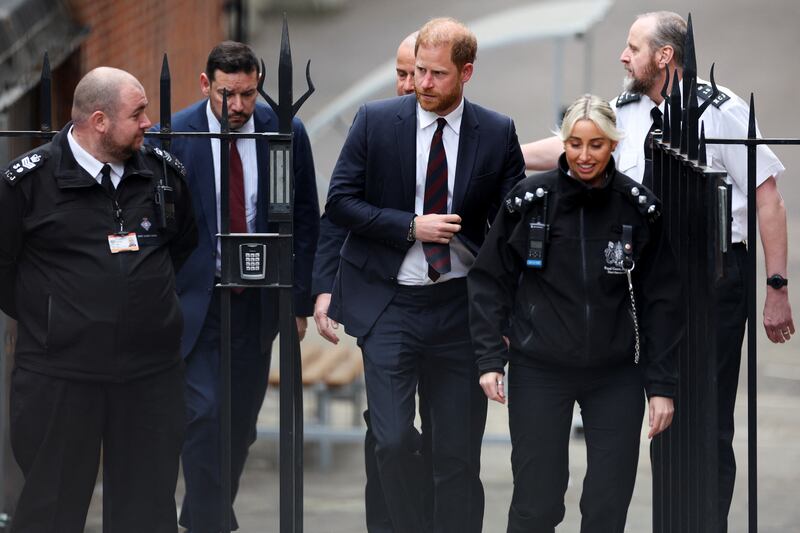
I think, in practice, the answer is going to be some form of beefed-up version of the current bespoke arrangement: Harry still gives notice of a visit. There are caveats and conditions; perhaps it is limited to a certain number of days per year. But when he is on British soil, he gets proper protection.
Harry was incredibly naive when he left the royal family. He appears to have simply assumed he would continue to receive twenty-four-hour police protection whenever he wanted it. None of this was sorted out properly when he still had leverage, when there was still a smidgen of goodwill.

But the fact that Harry has been foolish does not mean he should be unsafe. Harry’s people say there have been many incidents, many near misses. They say it only takes one slip.
We cannot have this happening. A country that cannot protect its own royal family, whatever their personal circumstances or public standing, has lost the plot.
The Invictus event in Birmingham is weeks away.
A credible plan to keep Harry safe needs to be made and enacted immediately.
Want more royal gossip, scoops and scandal? Follow all Tom Sykes’ reporting at The Royalist on Substack or listen to The Royalist podcast on YouTube.