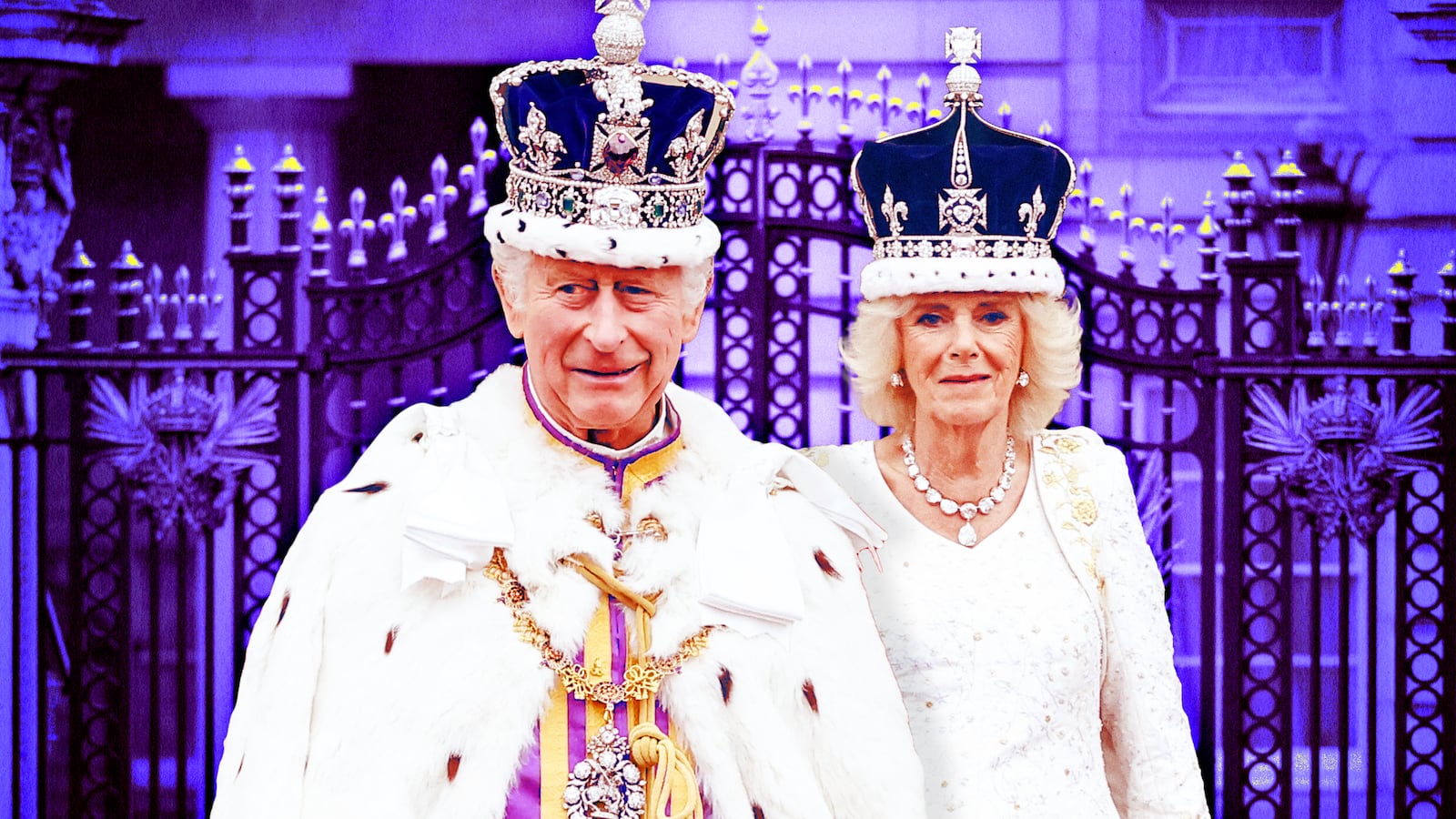
King Charles and Queen Camilla have made a bombshell announcement.
They have formally declared that they will never move into Buckingham Palace—an end of 189 years of official royal residence at one of the world’s most famous buildings.
The announcement, made as part of a financial statement the couple’s aides published Thursday, may confirm what has been an open secret to insiders for years, but is a seismic moment which upends a tradition started by Queen Victoria, his great-great-great-grandmother.
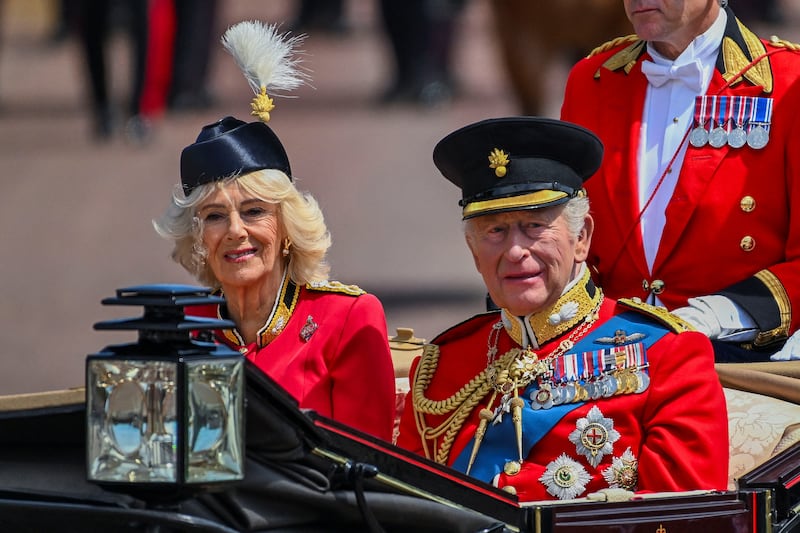
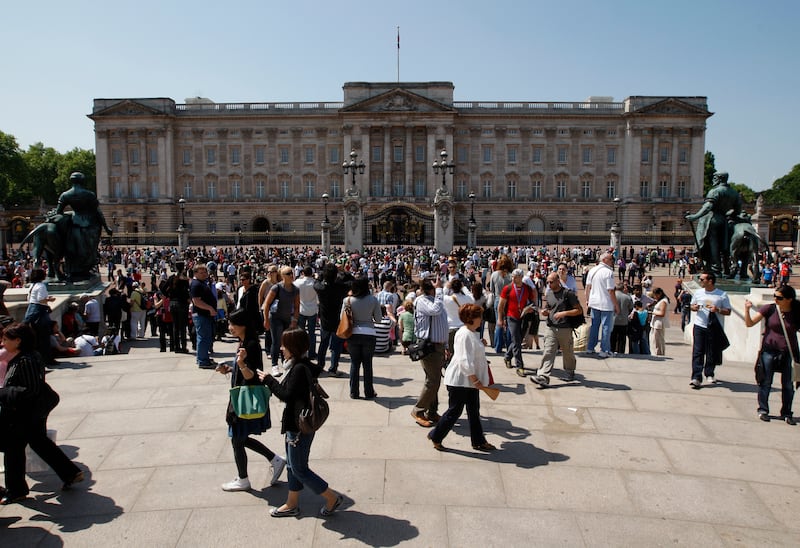
It was wrapped in jargon, but ultimately crystal clear: No more royals at the place millions gather to see the Changing of the Guard.
“On the completion of the Reservicing Programme, The King and Queen will not make Buckingham Palace a personal residence,” the report states, “reflecting Their Majesties’ wishes that the Palace remains the ceremonial centre of Royal life, the primary workplace of the Royal Household and a national heritage asset with increased opportunities for public access.”
It is, by any measure, an earthquake shift in British public life; Buckingham Palace has been the official London residence of the sovereign since Queen Victoria moved in as an 18-year-old in 1837. Every monarch since has lived there—or at least pretended to. That’s 189 years of royal occupation, now coming to an end.
The revelation threatens to sweep another headline front from the report aside: For the first time in history, the personal tax bill of a reigning British monarch has been published, confirming that Charles has paid more than £30 million ($40 million) in tax since his accession, including £11.7 million ($15.5 million) in 2023-24 and £12.9 million ($17 million) in 2024-25.
It is either an extraordinary act of transparency or a clear attempt to get ahead of the growing public scrutiny that has followed the Andrew scandal and the House of Commons Public Accounts Committee inquiry into royal property arrangements. Take your pick!

The Keeper of the Privy Purse, James Chalmers, used language that felt less like an annual financial report and more like a mission statement for the king’s reign itself in a press release accompanying the report, saying: “His Majesty is guided by a singular purpose; to serve with constancy, devotion and unwavering resolve.”
These are not the words you normally find in a set of accounts. They are the words of a monarch who wants the world to know he is still very much here, still very much in charge, and (one infers) still very much not dying of cancer.
None of this will come as a surprise to anyone who has been following the royal story.
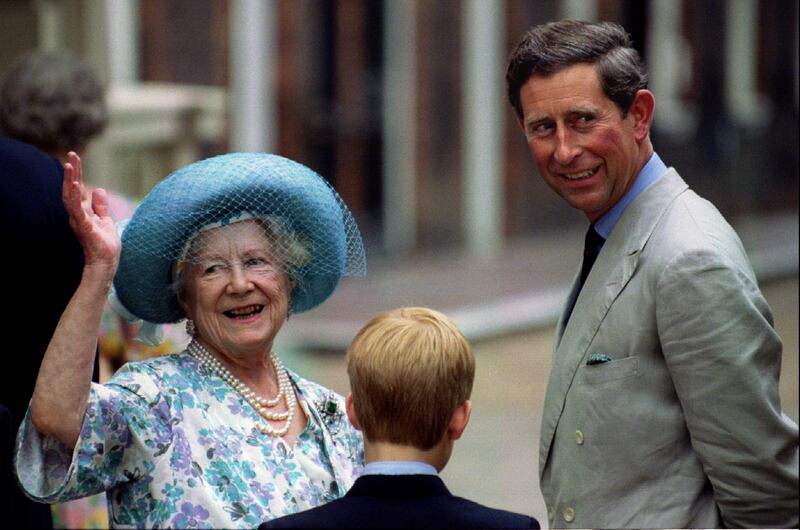
Charles has lived at Clarence House since 2003, when he moved in following the death of the Queen Mother, his grandmother, and he has never shown the slightest inclination to leave. And why would he?
Clarence House sits on The Mall, roughly 120 meters from the gates of Buckingham Palace (a two-minute walk, if that). It was built between 1825 and 1827 by John Nash, the same architect who transformed Buckingham House into the palace we know today, and it is adjacent to St. James’s Palace, with which it shares grounds.
The Queen Mother lived there for nearly half a century, from 1953 until her death in 2002, and she was a woman who knew a thing or two about living well.
She filled the place with art, antiques and Fabergé eggs, and installed a Georgian marble chimneypiece in the morning room. Charles, in tribute to both his grandmother and his mother (who had lived there as a young married woman with Prince Philip before her accession), has kept much of the furnishings and artwork exactly as they were. It is an absolutely gorgeous house, grand but intimate in scale, beautifully appointed, and with a vegetable garden that allows Charles and Camilla to grow their own produce.
It is, in other words, a home.
Buckingham Palace is not.

Buckingham Palace has 775 rooms, including 19 State Rooms, 52 royal and guest bedrooms, 188 staff bedrooms, 92 offices and 78 bathrooms.
More than 800 people work there. It has its own post office, chapel, doctor’s surgery, cinema, and a swimming pool built in 1938 by George VI so that the young Princesses Elizabeth and Margaret could learn to swim without attracting attention. (Staff are permitted to use it, but must vacate if a member of the royal family appears, which they never do, especially not since Charles turned down the heat to save energy.)
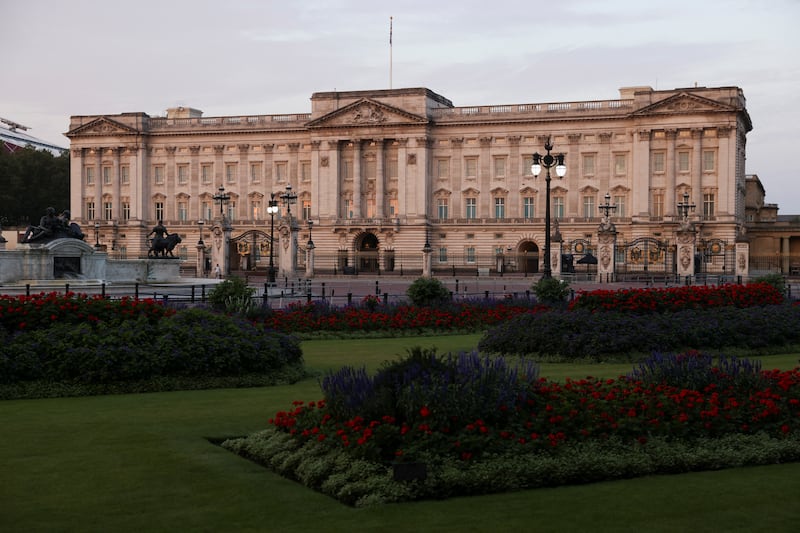
The private gardens cover 40 acres, making them the largest in London, and there is a helicopter landing pad and a tennis court. It is basically a monumental office building that happens to have an apartment and a balcony.
The late Queen Elizabeth II never really loved the place and saw it as a workplace rather than a home. Indeed, Darren McGrady, a former royal chef who served her for 11 years, once said: “It’s always been the office to the Queen.”
Elizabeth left Buckingham Palace for Windsor Castle in March 2020, a week before the first COVID-19 lockdown, and never spent another night there. Windsor became her permanent home until her death at Balmoral in September 2022.

Elizabeth’s abandonment of Buckingham Palace in her final years was, in a sense, a belated correction to a decision that had been forced upon her nearly seven decades earlier. When George VI died in February 1952, the young Queen and Prince Philip were living at Clarence House with their children and had no desire whatsoever to move.
As the royal biographer Penny Junor wrote in her book The Firm: “They loved Clarence House; it was a family home.”
According to Michael Parker, Prince Philip’s private secretary, who was in the car with the family as they left the residence for the last time, “there was not a dry eye in that car.”
Junor added: “The Queen and Prince Philip were forced to give up Clarence House and move across the park when her father died, but she was very young and had a forceful Prime Minister in Winston Churchill, and was not in a position to protest.”
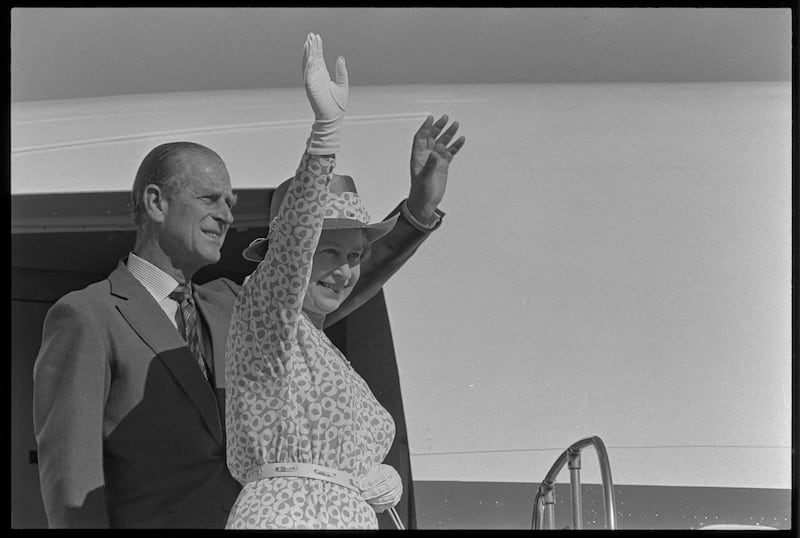

This episode was dramatized in The Crown on Netflix, which brought the story to a much wider audience. The show took creative liberties with the specifics of the conversations and the emotional dynamics (as it always did), but the essential narrative was true.
Churchill’s reasoning was straightforward precedent: the sovereign must live at Buckingham Palace because the sovereign had always lived at Buckingham Palace. George VI and the Queen Mother had defied Hitler by remaining at Buckingham Palace throughout the war, even as German bombs fell on it nine times. The symbolic power of the monarch being in residence at the nation’s most recognizable building was, to Churchill, not negotiable.
In the on-the-record briefing accompanying today’s announcement, a palace spokesperson said they wanted Buckingham Palace to remain “a buzzing hive of royal activity in every other way,” and that the King “retains huge affection for Buckingham Palace and a deep respect for its role in royal and public life.” Fair enough.
But the claim that “it will remain a working home” stretches credulity. It is not a working home if the King and Queen do not live there. It is, at that point, a working office.
The word “home” is also relevant in the context of recent speculation about Harry and Meghan. As I have reported, there is an expectation that the King will offer the Sussexes accommodation at Buckingham Palace when they return to the United Kingdom in July (I note that Tina Brown, writing on her Substack in March, urged the palace to “cough up a turnkey pied-à-terre for them in Buckingham Palace, where none of the rest of the family wants to live anyway.”)
If the palace is still formally categorized as a “home” then giving Harry and Meghan an apartment there becomes an interesting addendum to some careful wordsmithing.
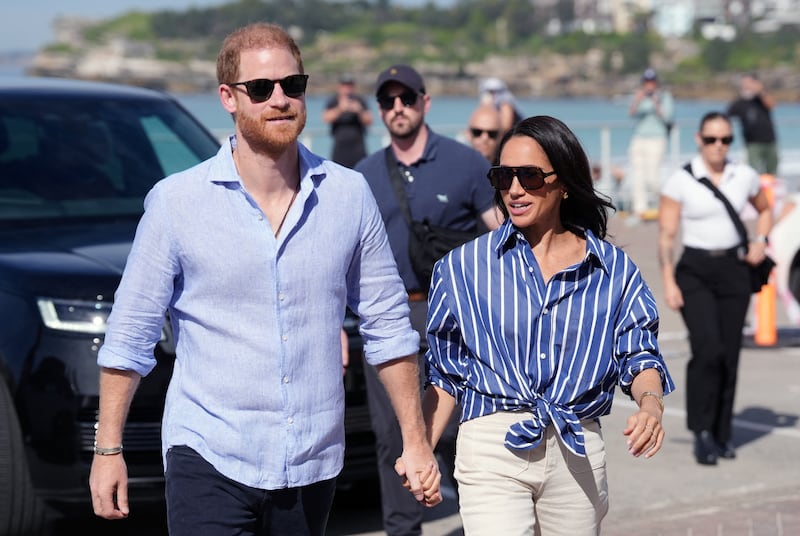
If it does come to pass that Harry and Meghan get semi-permanent access to an apartment there, the irony would be extraordinary. The two members of the royal family most publicly associated with wanting to escape the institution would become the only royals actually living at Buckingham Palace! The building that no Windsor wants to call home would become the London residence of the two people many Windsors would prefer not to see at all. You couldn’t make it up.
The decision not to live at Buckingham Palace is entirely rational on a human level; Charles is 77. He is comfortable at Clarence House.
But at another level, it represents something profound: a weakening of the link between the sovereign and the iconic building from countless millions of postcards that has symbolized the British monarchy to the world for nearly two centuries.
The tourists will still come (indeed, more of them, if the promise of “increased opportunities for public access” is fulfilled). But their hopes of seeing the Queen—or the King—having a cup of tea or walking a corgi during their visit are, sadly, well and truly over.
Want more royal gossip, scoops and scandal? Follow all Tom Sykes’ reporting at The Royalist on Substack or listen to The Royalist podcast on YouTube.